2026 Sargassum Alert: NASA Forecasts Most Intense Season in History
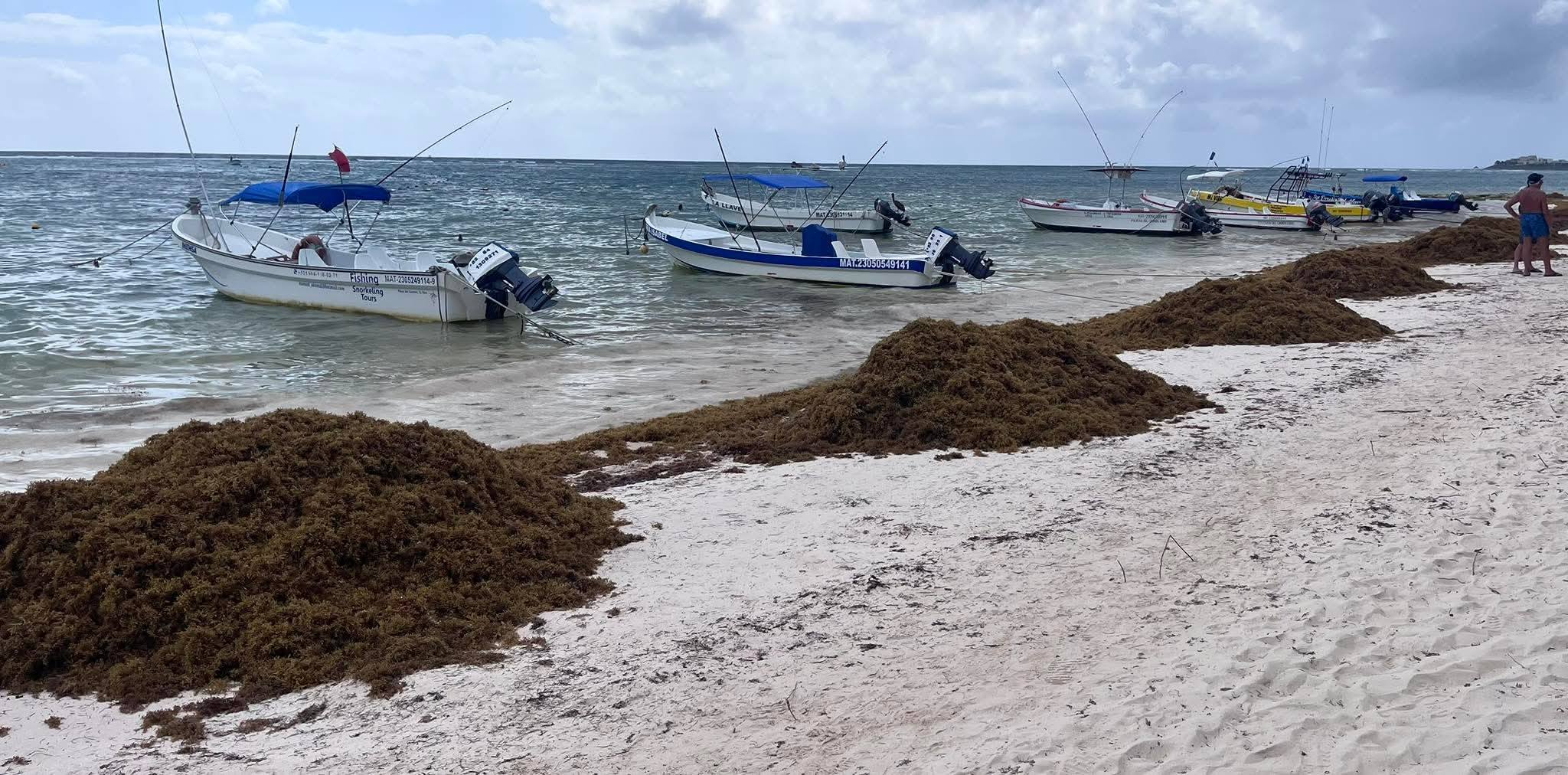
While the world turns its eyes to Cancun for the 2026 World Cup and luxury travel, the Atlantic Ocean is sending a massive, brown reminder that nature has its own schedule. According to the latest joint report from NASA and the University of South Florida (USF) Optical Oceanography Laboratory, 2026 is officially on track to be the most intense sargassum season ever recorded in the Mexican Caribbean.
1. The Numbers: A 75 Percent Surge
The data released in late February 2026 is staggering. Satellite monitoring shows that the amount of macroalgae currently floating toward our shores exceeds historical values observed between 2011 and 2025 by more than 75 percent.
- Massive Blooms: Three distinct concentrations have been identified in the Eastern Atlantic, Western Atlantic, and Western Caribbean.
- Early Arrival: While the season officially begins at the end of March, significant landings began as early as January 2026, catching many coastal operations by surprise.
2. High-Pressure Zones: Who is Most Affected?
The Western Caribbean, where Quintana Roo is located, is the primary target for these massive blooms. The environmental and operational pressure for 2026 will be extreme for the following strategic tourism hubs:
- Cancun and Playa del Carmen: Facing constant daily landings that require 24/7 cleaning efforts.
- Tulum and Mahahual: These areas are seeing higher-than-average accumulation due to their geographical positioning.
- Cozumel: While the eastern side of the island is heavily impacted, the western side remains a safe haven for divers and swimmers.
3. The 2026 Operational Challenge
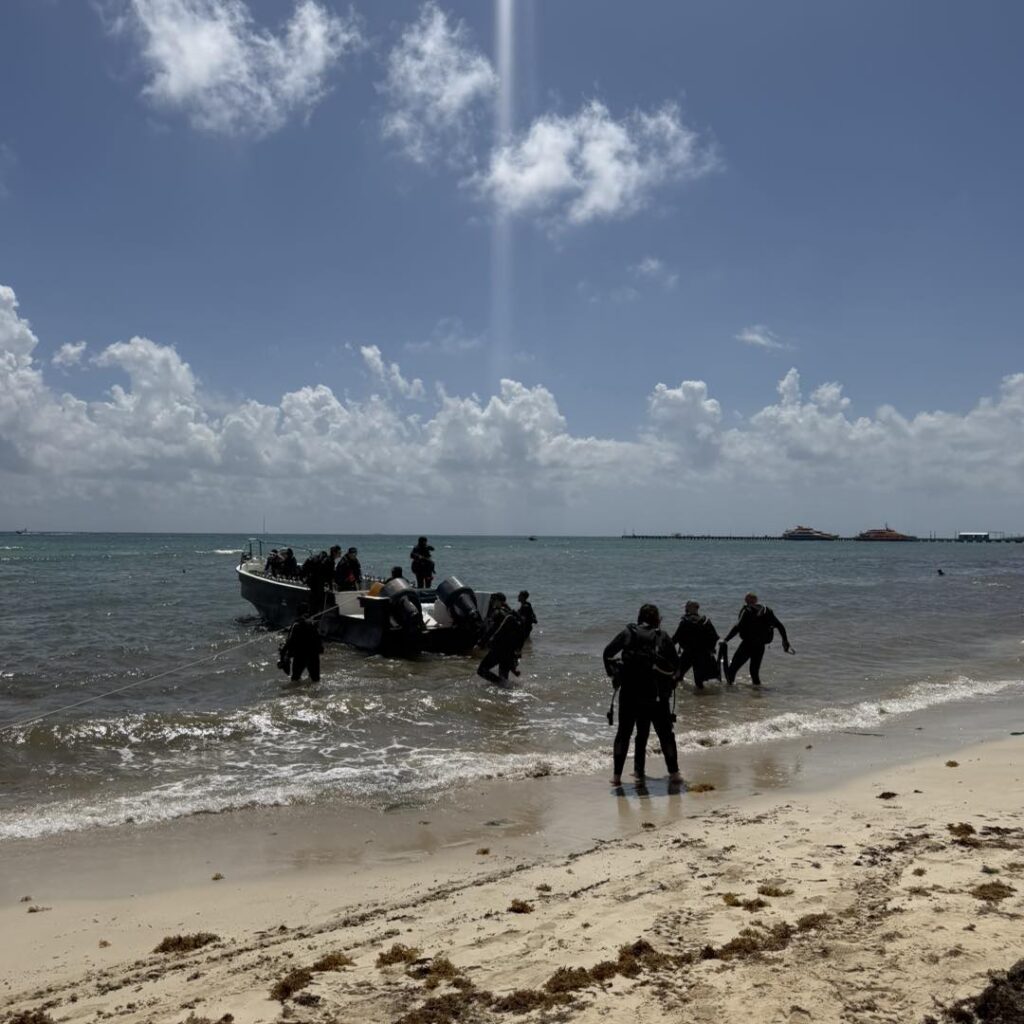
The sustained growth of the algae between November and February suggests that 2026 will not offer the usual “breaks” in sargassum flow.
- Resort Response: Luxury resorts in the Hotel Zone are deploying record-breaking budgets for offshore barriers and specialized sargassum-collection vessels to keep their shorelines swimmable.
- Airport Impact: While the Cancun Airport (CUN) remains the main gateway for the World Cup hub, travelers are being advised to check real-time beach cameras before heading to their resorts, as conditions can change in a matter of hours.
4. The Silver Lining: Low Levels in the Gulf
Interestingly, the same NASA report indicates that the Gulf of Mexico is currently maintaining low levels of sargassum. This makes destinations on the northern side of the Yucatan Peninsula or the protected leeward sides of islands a much better bet for those seeking crystal-clear water this month.